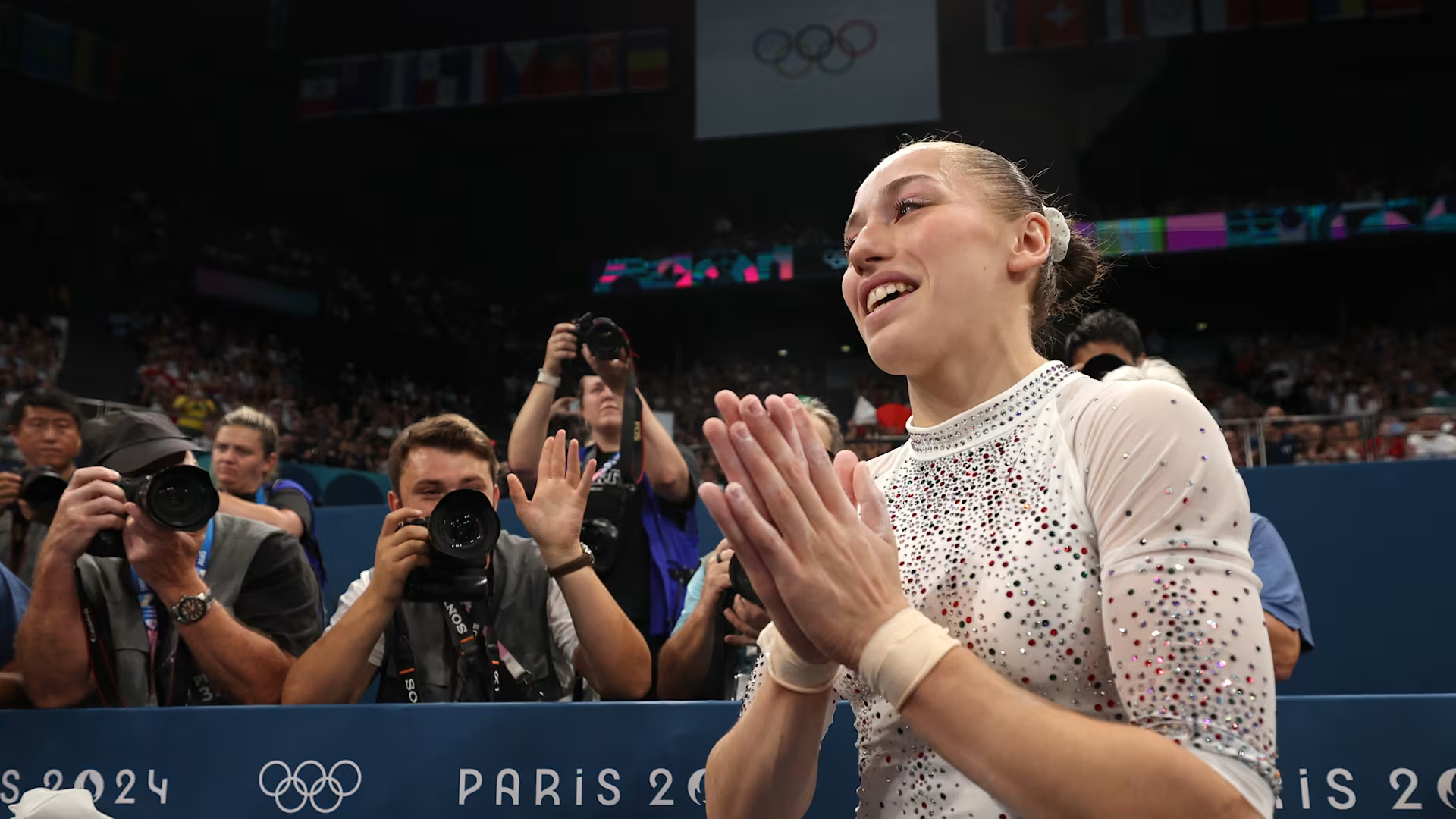
South African Olympic champion Caster Semenya has ended her protracted legal battle against sex-eligibility regulations in athletics, her legal team confirmed on Tuesday.
The decision follows nearly seven years of challenges at the Court of Arbitration for Sport (CAS), the Swiss Supreme Court, and most recently the European Court of Human Rights (ECHR), which ruled in July that Semenya had not been granted a fair hearing in Switzerland.
What Happened
Semenya, a two-time Olympic gold medalist in the 800 meters, had been contesting World Athletics’ rules requiring athletes with certain differences of sex development (DSD) to medically reduce their natural testosterone levels to compete in women’s events between 400m and one mile. She refused treatment, leaving her sidelined from her signature distance since 2019.
Her legal team confirmed that she will not pursue a further appeal to the Swiss Supreme Court despite the partial victory at the ECHR, effectively ending her fight.
Wider Context
- The ECHR ruling earlier this year declared that Semenya’s rights to privacy and fair trial had been violated, but it did not strike down World Athletics’ testosterone regulations.
- The regulations remain in place, affecting athletes with similar DSD conditions.
Why It Matters
Semenya’s case became a global flashpoint in debates on gender, fairness, and human rights in sport.
- Supporters argued the regulations were discriminatory.
- Governing bodies maintained they were necessary to ensure fair competition.
Her withdrawal from the legal arena closes a chapter but leaves open ongoing debates about science, gender identity, and equality in sport.
What’s Next
- World Athletics faces pressure to re-evaluate its regulations and provide clearer medical and ethical justifications.
- Semenya, now 34, may continue as a coach, advocate, or mentor, amplifying her influence beyond the track.
- Her story is expected to remain central to sports law and gender policy discussions.
Sources:
- AP News – Champion runner Caster Semenya ending legal fight
- Reuters – Fact check: ECHR ruling
- Blackstone Chambers – Case summary
- Wikipedia – Caster Semenya